
How Often Does a Septic Tank Need Cleaning?
The 3 to 5 year range isn't a guess, it's what tank size and household size actually drive. A single person in a large tank might stretch past 5 years. A family of six in an older, smaller tank might need service closer to every 2 years. Apple Valley Porta Pros looks at both numbers before setting your schedule, not just the calendar. If you're unsure what "normal" looks like, septic tank warning signs is worth a read before you assume everything's fine. Slow drains, standing water near the drain field, or a sulfur smell in the yard usually mean the tank is fuller than it should be. Waiting past those signs risks solids backing into the leach field, which turns a routine pump-out into a much bigger repair. If you want a straight number instead of an estimate, septic tank pumping cost breaks down what a standard visit runs. For homes on a tighter cycle, how often septic tank pumping style questions come up constantly, and the honest answer is always: check the tank, don't just guess by the calendar.
What Happens If You Wait Too Long Between Pumpings?
Solids build up past the point the tank can hold them, and they start moving into the drain field, which is expensive to fix and slow to recover. That's the real cost of skipping a cycle. A septic system that backs up on a weekend doesn't wait for business hours, which is why emergency septic service exists for exactly that situation. If you're dealing with a rental or a job site instead of a house, a holding tank rental can bridge the gap while the real tank gets serviced. Restaurants and commercial kitchens have a parallel issue with grease: a grease interceptor gets pumped once fats, oils, grease and solids reach 25 percent of the liquid depth, and grease trap pumping covers that separately from residential septic work. Homes in Apple Valley on well and septic systems, especially older properties, tend to run smaller tanks than newer construction, so the 3 to 5 year window skews toward the shorter end for a lot of local households.
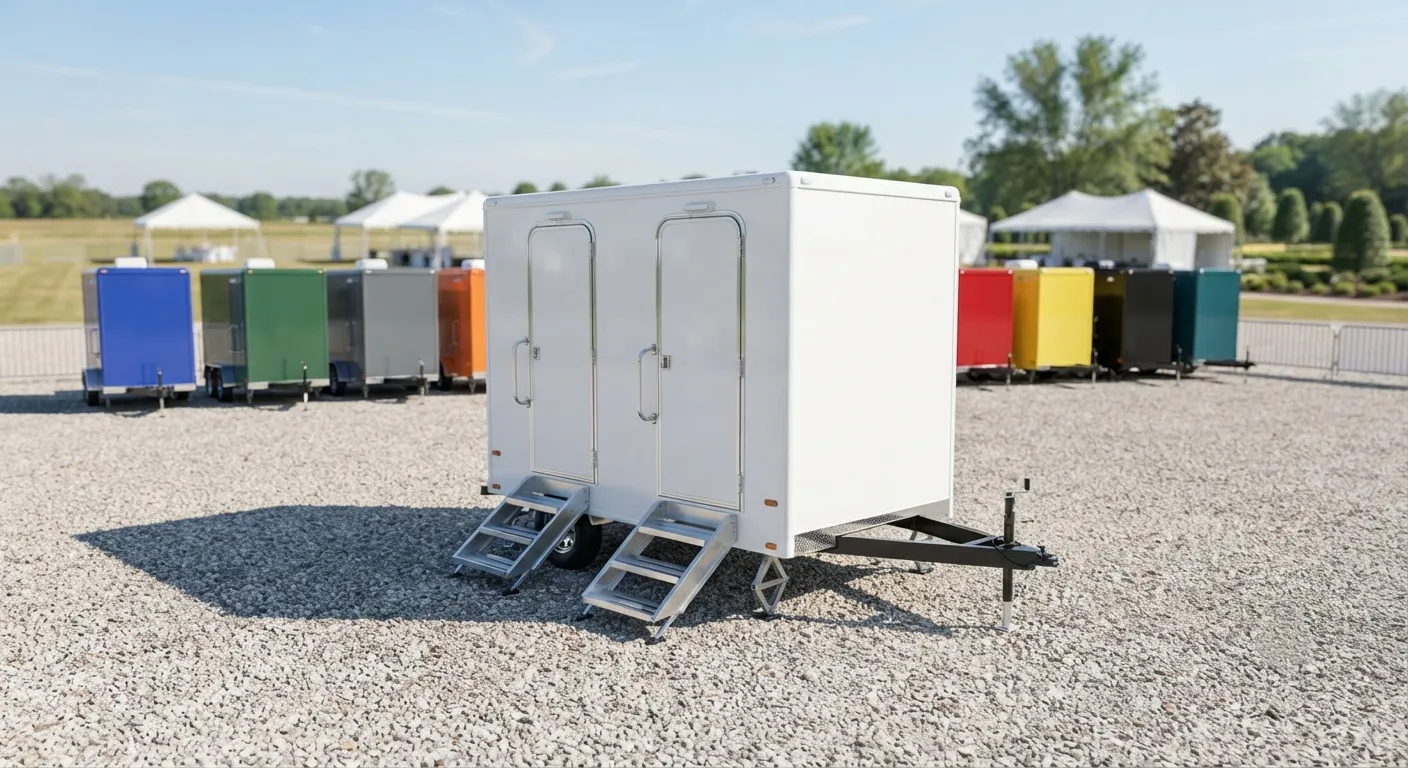
Do Construction Sites and Events Need Septic Service Too?
Not exactly the same service, but a related one. Construction crews and event sites usually don't have a septic tank at all, they rent portable toilets instead, and OSHA 1926.51(c) sets the toilet ratio: one facility for 20 or fewer workers, scaling up from there. That's a different question from home septic pumping, but the two often overlap on rural properties near Apple Valley where a septic system serves the house and portable units cover a work crew or event on the same lot. If you're planning either, construction site services and event restroom rental cover that side of things. For a farm or agricultural operation, OSHA 1928.110 requires field sanitation, potable water, toilets and handwashing within a quarter mile walk for hand-labor employees, and farm and agricultural restrooms is built around that rule specifically.

How Do I Know My Septic Tank Size?
Check your property records or the tank's access lid, since sizing is what sets your actual pumping interval more than the years-since-last-service number alone. A larger tank buys more time between visits. If you're building new or replacing a system, that's the moment to think about long-term intervals rather than guessing later. Households near Spring Valley Lake, about 8.4 miles southwest of central Apple Valley, and out toward Mountain View Acres, 11.3 miles west, often run older systems that need closer attention. Apple Valley Porta Pros services septic pumping across that range and can confirm tank size on site if the records aren't clear. Standard access for a pump truck runs about 60 feet of clearance, similar to what's needed for roll-off dumpster rental drop-offs, so clear the driveway before the truck arrives.
Frequently Asked Questions
How much does septic tank pumping cost?
Pricing depends on tank size and access, but day-rate septic service typically falls in the 150 to 300 dollar range for a standard visit. See septic tank pumping cost for the full breakdown by scenario.
Can I pump my own septic tank?
No. It takes a vacuum truck and proper disposal, which is regulated. DIY pumping isn't legal or practical for a homeowner. Call septic pumping service instead of attempting it yourself.
What are signs my septic tank is full?
Slow drains, gurgling pipes, standing water over the drain field, and sewage odor in the yard. Any of these mean it's time to check the tank. Full details are on septic tank warning signs.
Does household size change my pumping schedule?
Yes. More people means more wastewater and a shorter interval between pumpings. A family of six will typically need service more often than a single occupant in the same size tank.
Is there a difference between septic pumping and septic cleaning?
Pumping removes liquid and solids from the tank. Cleaning can include that plus a more thorough inspection of baffles and the outlet. Septic tank cleaning covers what a full-service visit includes.
Next step
Get a delivery date
Tell us the address, the dates and the headcount. We size the order and confirm the route.