What Happens to Sanitation During a Disaster?
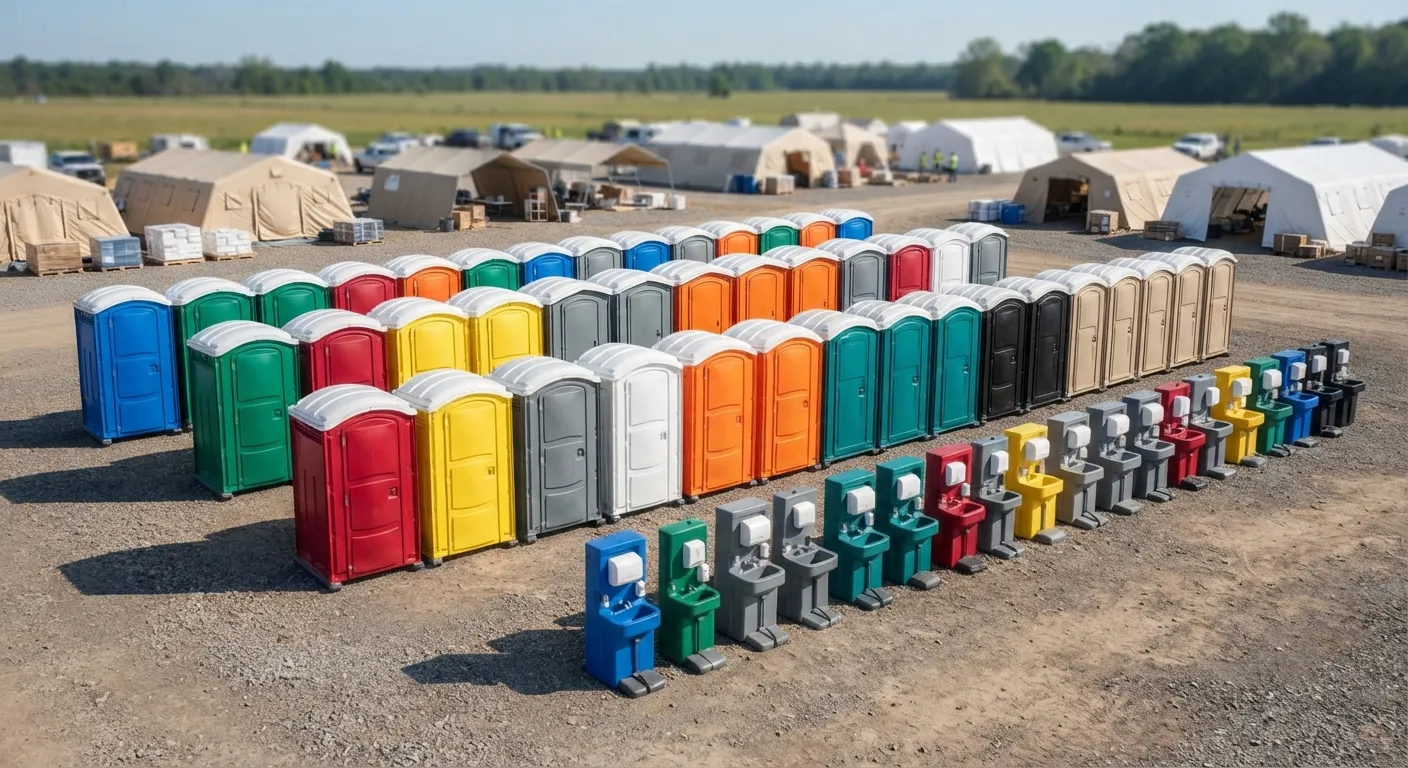
Water lines break. Septic systems back up. Shelters fill fast. When that happens, the first thing to go is working plumbing, and the second thing to go is anyone's patience once toilets stop flushing. Apple Valley Porta Pros treats disaster response differently than a weekend event rental. We prioritize emergency calls ahead of scheduled work and can typically place standard porta potty rental units at a shelter site, command post or damaged neighborhood the same day a request comes in.
For agencies coordinating a response, emergency porta potty rental works on a different clock than a normal booking. We keep units staged and ready rather than scheduling delivery a week out. A standard unit holds 60 to 70 gallons in its tank and services roughly the same population an ANSI/PSAI Z4.3 baseline would call one visit a week for up to 10 users over a 40 hour week. During disaster response we pump far more often, because displaced households and response crews use units well past that baseline. If a septic tank at a shelter site backs up entirely, we also run septic pumping service calls and can deploy a holding tank rental unit as a bridge while repairs happen.
Handwashing matters just as much as toilets. OSHA 1926.51(a)(1) requires an adequate supply of potable water at any place of employment, and that includes disaster response staging areas where crews are working long shifts. We pair toilet units with handwashing station rental setups so responders and displaced residents both have somewhere to wash up, and 29 CFR 1910.141(d)(2) is clear that soap and a way to dry hands has to be part of that, not a bottle of sanitizer standing in for it.
How Fast Can Units Be Delivered in an Emergency?
Speed depends on road access and how many units the response calls for, but we prioritize disaster calls over routine bookings and often deliver the same day. A roll-off truck making a disaster relief delivery still needs about 60 feet of straight clearance behind the vehicle, whether that is a shelter parking lot or a debris staging area. If a command post at Spring Valley Lake, 8.4 miles southwest of central Apple Valley, needs a bank of toilets, that clearance requirement is the same as it would be downtown. We coordinate site layout ahead of delivery so a fire access lane or ADA route is not blocked in the process, since ADA Standards section 403.5.1 sets a 36 inch minimum clear width on an accessible route and a cluster of toilets can eat that width fast if placed wrong.
Debris cleanup often runs alongside sanitation needs after a disaster. If a storm brings down trees or a fire damages structures, a roll-off dumpster rental placed next to the toilet units keeps a shelter or work site from turning into its own hazard. We size those by the job. A 10 yard dumpster rental handles a single damaged property; a 20 yard dumpster rental or 30 yard dumpster rental fits a block-level cleanup. For agencies running a longer relief operation, a storage container rental or mobile office trailer rental gives responders a dry place to stage supplies and paperwork away from the weather.
What Does Emergency Sanitation Cost During a Disaster?
Emergency rates run inside the same bands as scheduled work, though delivery fees can run higher when a truck has to reach a disaster zone on short notice. Below are standard day and week rates that apply to most relief deployments.
| Service | Day rate | Week rate |
|---|---|---|
| Standard unit | $100 - $350 | $130 - $500 |
| ADA accessible unit | $200 - $400 | $240 - $400 |
| Delivery fee | $100 - $500 | $150 - $500 |
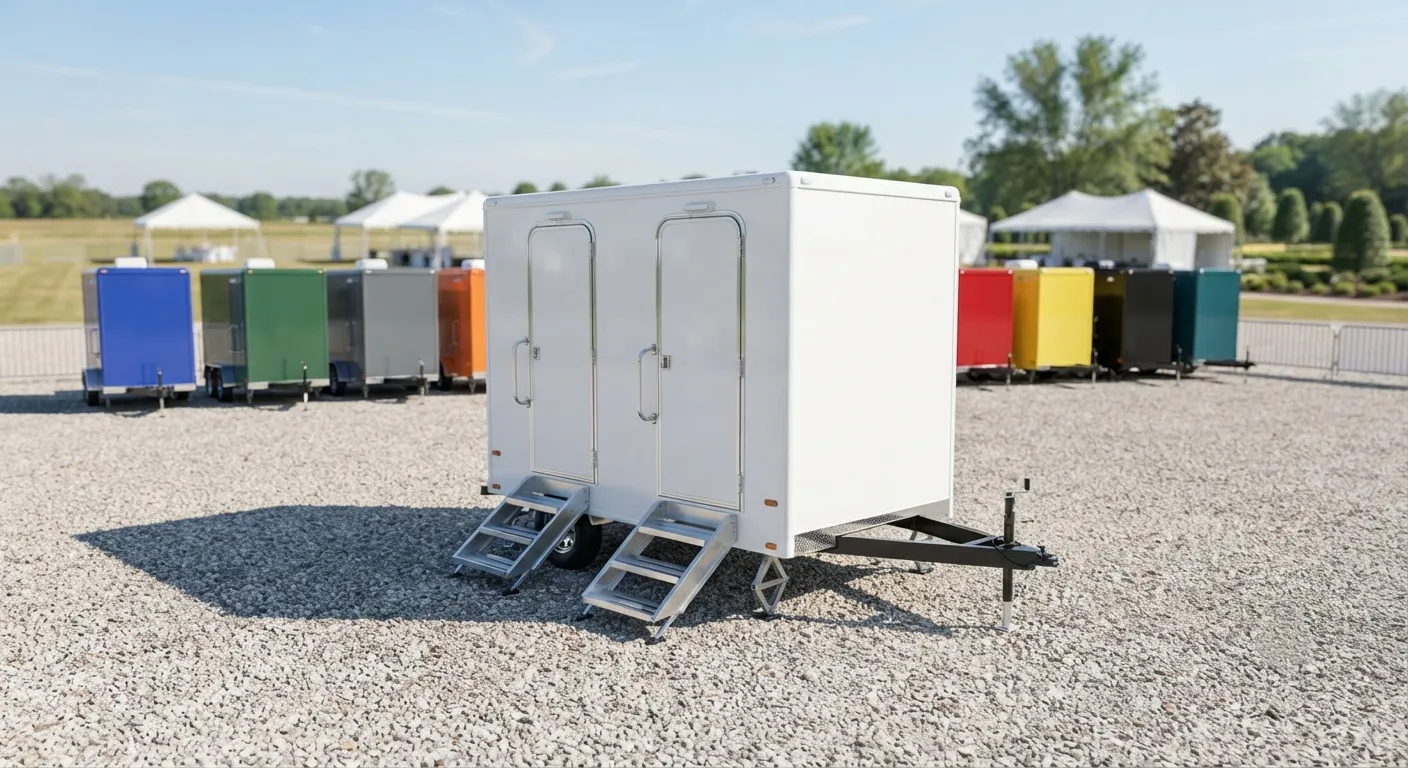
An ADA accessible porta potty belongs in any shelter deployment. ADA Standards section 213.2 requires at least one accessible unit in any cluster of single-user toilets, and shelters serving elderly or disabled residents almost always need more than the bare minimum. We also run temporary fence rental around damaged structures or debris piles when a site needs to keep people out, and a light tower rental or temporary power pole keeps a night shift working safely when the grid is still down. Full pricing detail lives on our porta potty rental cost page if you're budgeting a longer deployment.
How many toilets does a shelter need?
OSHA 1926.51(c) sets construction ratios at one toilet per 20 workers, and shelters should plan at least that closely per occupant. A 200 person shelter needs several units, not one. Check our how many porta potties do i need guide for a sizing breakdown by headcount.
Can you service units daily during an active disaster?
Yes. Standard service follows an ANSI/PSAI Z4.3 weekly baseline, but disaster deployments in Apple Valley get serviced far more often since usage runs well above normal. We adjust service frequency to actual traffic at the site, not a fixed schedule.
Do you provide handwashing stations separate from toilets?
Yes. A portable sink rental or hand sanitizer station rental can be placed independently of toilet units. 29 CFR 1910.141(d)(2) requires soap and towels or a dryer, which sanitizer alone does not satisfy.
What if a septic system fails during a disaster?
Call our emergency septic service line. We pump the failed tank and can drop a holding tank as a temporary fix while repairs to the system happen, keeping a shelter or home functional in the meantime.
Can you deploy to areas outside Apple Valley?
Yes. We reach Mountain View Acres, 11.3 miles west, and Adelanto, 15.7 miles west, along with other nearby communities. See service areas for full coverage and response distances.
Next step
Get a delivery date
Tell us the address, the dates and the headcount. We size the order and confirm the route.